camshaft guide
What Is a Camshaft?
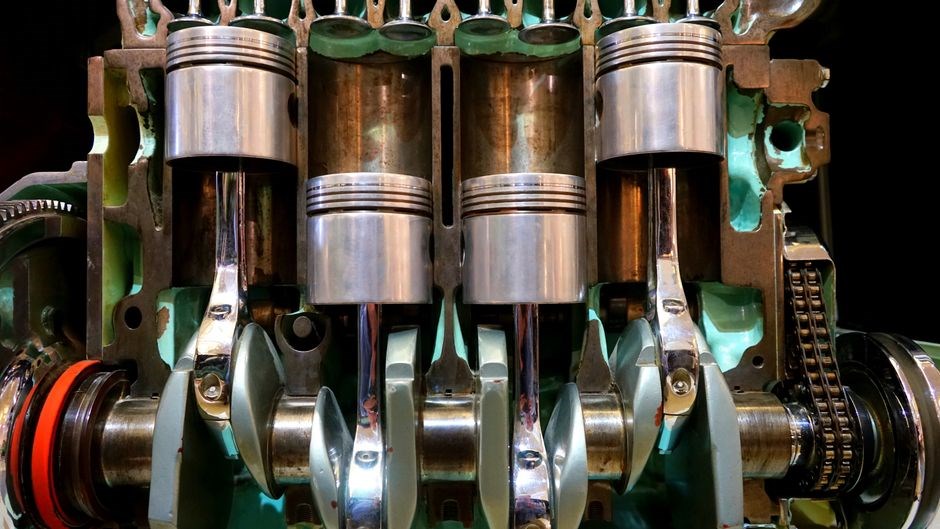
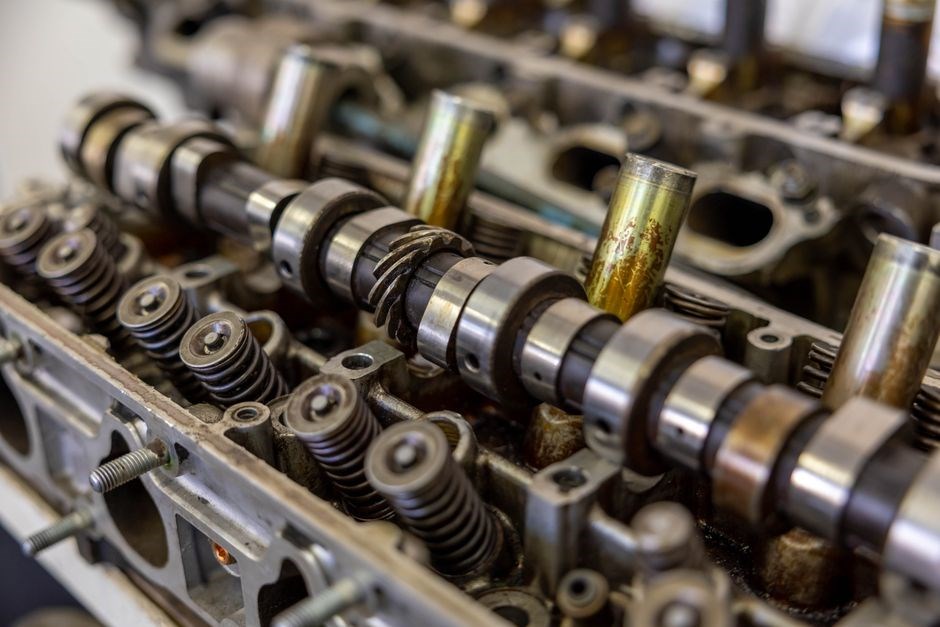
A camshaft is a cylindrical shaft fitted with lobes that drive the opening and closing of intake and exhaust valves. Its rotation, synchronized with the crankshaft, ensures precise valve timing, influencing engine performance, efficiency, and power delivery. It also influences emissions and engine longevity.!!
Function and Role in Engine Operation
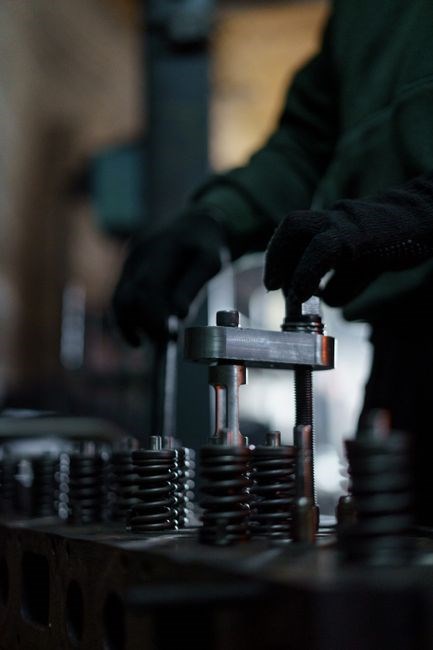
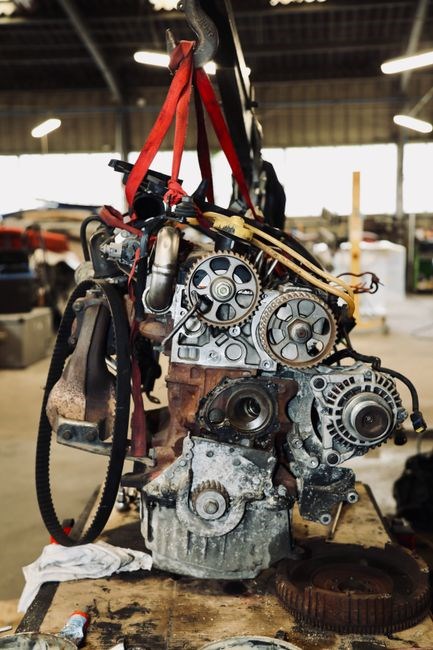
The camshaft is the heart of valve timing, translating rotational motion into valve lift patterns. Each lobe on the shaft is engineered to open a valve at a specific crankshaft angle, allowing the engine to ingest air-fuel mixture and expel exhaust gases in a synchronized cycle. By controlling lift, duration, overlap, the camshaft shapes the engine’s breathing characteristics, affecting torque curves, horsepower, and fuel efficiency. Modern camshafts integrate variable‑timing mechanisms, enabling real‑time adjustments to valve events for optimal performance across a wide RPM range. The camshaft’s timing must remain in lockstep with the crankshaft; any deviation can lead to valve‑to‑piston contact, catastrophic engine damage, loss of power. Consequently, camshafts are often paired with cam‑shaft timing chains or belts, tensioners, synchronizers to maintain accurate timing under varying loads and temperatures. In high‑performance engines, camshafts are precisely machined and balanced to reduce vibration and noise, ensuring smooth operation and longevity. The design of a camshaft influences emission control, as proper valve timing reduces unburnt hydrocarbons and improves combustion efficiency. The camshaft’s function is to orchestrate valve motion, enabling the engine to breathe efficiently, deliver power, and meet emissions standards while maintaining reliability and durability. Engine designers tailor camshaft profiles to match combustion strategies, such as fuels or blends, optimizing torque across the rev range while reducing noise.
Types of Camshafts
Camshafts vary by design: Single‑overhead cam (SOHC) uses one cam per bank, Dual‑overhead cam (DOHC) employs two per bank, Variable Valve Timing (VVT) adjusts cam timing, and Variable Camshaft systems alter lift profiles for performance. Each type balances performance, efficiency, and cost forall applications.
SOHC, DOHC, VVT, Variable Camshaft
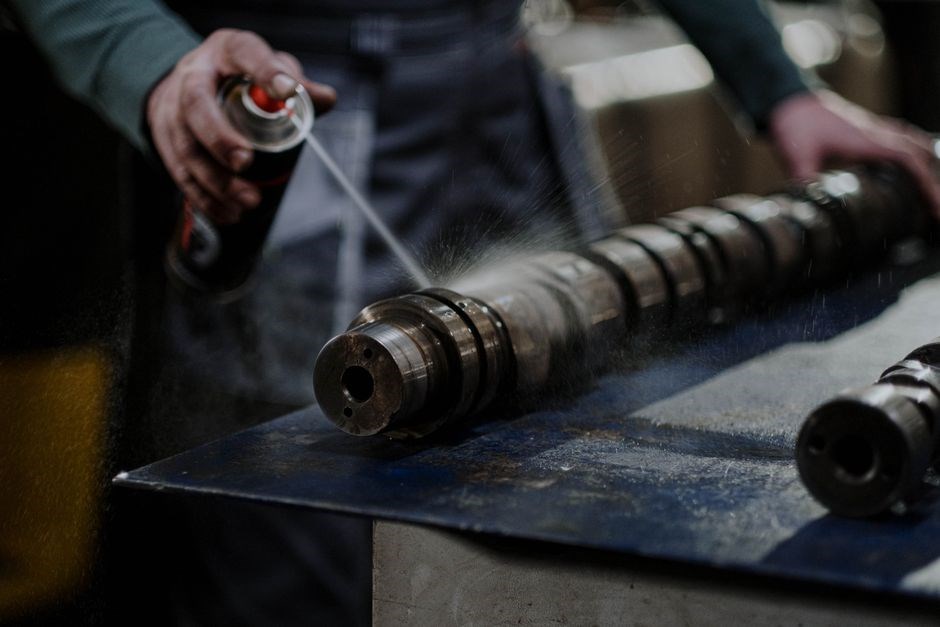
Single‑overhead cam (SOHC) engines feature one camshaft per cylinder bank, simplifying the valvetrain and reducing weight. Dual‑overhead cam (DOHC) designs employ two camshafts per bank, allowing independent control of intake and exhaust valves, which improves high‑speed breathing and power output. Variable Valve Timing (VVT) systems adjust camshaft phasing in real time, optimizing valve overlap for torque at low RPMs while preserving efficiency at higher speeds. Variable Camshaft technology extends this concept by altering cam lift profiles, enabling a single camshaft to deliver multiple performance characteristics without mechanical complexity. Each configuration offers distinct advantages: SOHC for compactness, DOHC for peak performance, VVT for fuel economy, and Variable Camshaft for versatile tuning. Engineers select the appropriate architecture based on vehicle purpose, cost constraints, and desired powerband. The evolution of camshaft design reflects the ongoing balance between mechanical simplicity, performance, and emissions compliance in modern internal combustion engines.
In practice, manufacturers often blend camshaft designs to achieve a balance between low‑end torque and high‑end power. For instance, a mild cam profile may be paired with a mild VVT strategy to reduce pumping losses, while a performance cam can be matched with aggressive VVT to maximize horsepower. The choice ultimately hinges on the intended application, whether daily commuting, track racing, or heavy‑duty work. and engine longevity for!
Camshaft Materials and Manufacturing
Engine camshafts are forged from high‑strength steel or cast iron, sometimes reinforced with composite layers for weight reduction. Precision machining, heat treatment, and surface coatings like chrome or titanium nitride enhance durability and reduce friction.!!!!!
Common Materials: Cast Iron, Steel, Composite
Cast iron camshafts, traditionally the workhorse of early engines, offer excellent wear resistance and cost‑effective production. Their high carbon content forms a hard surface layer that protects against valve‑to‑cam contact, while the iron matrix absorbs shock loads. However, the inherent brittleness limits their use in high‑RPM or high‑load applications.
Steel camshafts dominate modern performance engines. High‑strength alloy steels such as 4340 or 8620 are heat‑treated to achieve a fine microstructure that balances hardness and toughness. The resulting camshaft can sustain prolonged valve lift cycles, resist fatigue, and accommodate variable cam timing systems. Surface coatings like chrome or TiN further reduce friction and extend service life.
Composite camshafts, a newer innovation, combine a lightweight core—often aluminum or magnesium—with a hardened surface layer of ceramic or tungsten carbide. This construction reduces reciprocating mass, improving throttle response and reducing engine inertia. While still more expensive, composites are increasingly used in racing and high‑efficiency hybrid powertrains where weight savings translate directly into performance gains.
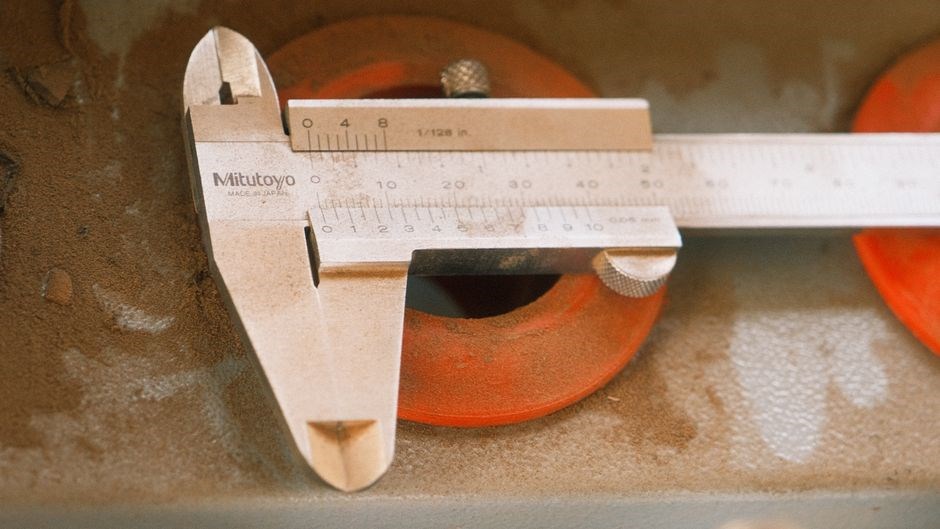
Manufacturing precision involves CNC machining to exact cam profiles, followed by heat‑treating to achieve a case‑hardened surface. Surface coatings such as chrome, nickel‑phosphorus, or titanium nitride reduce wear and allow tighter tolerances. Quality control includes ultrasonic testing for internal cracks and dimensional checks against CAD models.
Manufacturers may use additive manufacturing to produce complex cam lobes, tailoring profiles for optimal torque across the rev range while keeping weight low for racing RPM. !
Camshaft Profiles and Kinematics
Cam profiles dictate valve lift, duration, and overlap, shaping engine breathing. Kinematics analysis links cam rotation to valve timing, ensuring optimal power and efficiency. Engineers adjust lobe shape, rise, fall, and shoulder angles to meet performance goals. More.
Valve Lift, Duration, and Overlap
Valve lift, duration, and overlap are the three primary parameters that define a camshaft’s kinematic behavior. Lift measures how far a valve opens, expressed in millimeters or inches, and directly affects the volume of air‑fuel mixture entering or exhaust gases exiting the cylinder. Duration, measured in crankshaft degrees, indicates the total time a valve remains open during a cycle, shaping the engine’s breathing window. Overlap refers to the period when both intake and exhaust valves are open simultaneously, enabling efficient scavenging and high‑speed performance. Engineers tailor these parameters to balance low‑end torque, high‑end power, fuel economy, and emissions. Precise profiling requires advanced simulation tools, but the fundamental trade‑offs remain: higher lift increases airflow but can cause valve float; longer duration boosts power but may reduce idle smoothness; increased overlap improves top‑end efficiency but can raise pumping losses at lower speeds. Modern variable‑cam systems allow real‑time adjustment of lift and duration, providing optimal performance across a wide RPM range. In practice, selecting the correct camshaft profile requires balancing performance goals with mechanical constraints. Engineers use simulation data, dyno testing, and real‑world feedback to fine‑tune lift, duration, and overlap for each application. A well‑designed camshaft not only boosts horsepower but also enhances reliability and longevity, making it a cornerstone of modern engine design. Precision engineering extends life, cuts costs, and boosts performance!!
Camshaft Maintenance and Troubleshooting
Regular camshaft inspection checks for wear, oil leakage, and proper timing. Use a feeler gauge to measure valve clearance. Symptoms like rough idle, loss of power, or ticking noises often indicate cam wear. Check cam timing with a light and replace worn parts.!!!.
Common Symptoms of Camshaft Wear
When a camshaft begins to deteriorate, a driver may notice a series of subtle yet telling signs. One of the most frequent indicators is a rough or uneven idle, as the valve timing becomes inconsistent and the engine struggles to maintain a steady rhythm. Power loss, especially under acceleration, can also surface when the cam lobes fail to open valves fully, reducing airflow and fuel delivery. A ticking or rattling noise originating from the valve train often signals that the camshaft bearings are worn or that the cam lobes are no longer maintaining proper clearance. In severe cases, oil leakage around the camshaft seals may occur, leading to a noticeable drop in oil pressure and a potential for further internal damage. Misfires or a noticeable increase in exhaust smoke can also point to camshaft wear, as the valves may not be closing correctly, allowing unburned fuel to escape. Finally, a noticeable change in the engine’s compression ratio, detected through a compression test, can confirm camshaft wear, as the altered valve timing affects the engine’s ability to maintain optimal compression. Regular inspection and timely replacement of a worn camshaft are essential to prevent costly engine damage and to preserve performance. Engine diagnostics tools, such as a camshaft timing light or a high‑resolution camshaft inspection kit, can pinpoint wear patterns and help technicians decide whether a camshaft overhaul or a valve clearance adjustment is warranted. Regular maintenance including oil and lubrication is vital to extend camshaft life and keep the engine running smoothly.!!!

Camshaft Suppliers and Market Overview
Global camshaft suppliers span from legacy OEMs to aftermarket specialists, offering cast‑iron, steel, and composite options. Market dynamics focus on performance tuning, durability, and cost efficiency, with key players such as Bosch, Continental, and COMP Cams leading innovation.Demand for lightweight cams is rising
Major Manufacturers and Brands
Leading camshaft producers combine heritage, precision, and innovation to meet diverse engine demands. Bosch supplies OEM‑grade camshafts emphasizing durability and tight tolerances for mass‑market engines. Continental offers camshafts engineered for racing and high‑rev applications with advanced metallurgy. COMP Cams delivers performance cam profiles that enhance horsepower across engines from small‑displacement to V‑8s. ACDelco provides reliable OEM replacements matching original specifications. Magna International integrates camshaft production into its powertrain portfolio, ensuring compatibility with variable‑valve systems. Delphi Technologies supplies camshafts with integrated timing solutions for conventional and variable‑valve architectures. In the boutique segment, HKS and Edelbrock offer high‑lift cams for enthusiasts seeking performance gains. These manufacturers collectively shape the market by balancing cost, performance, and reliability, enabling builders to select components that align with specific design goals. Their collaborative approach also supports rapid prototyping for emerging technologies, ensuring adaptation to trends.
Additional suppliers such as McLaren Performance, PPG Industries, and Tenneco offer camshafts engineered for extreme conditions, including high‑temperature alloys and specialized coatings that resist corrosion. They collaborate with engine manufacturers to develop cam profiles that optimize airflow and emissions compliance, expanding possibilities for OEM and aftermarket markets. Their precision machining ensures minimal run‑out, while surface treatments reduce friction and extend service life.
Emerging players like Vortex Dynamics and Precision Camshaft Co. experiment with 3D‑printed camshafts and hybrid composite materials to reduce weight while maintaining strength; Prototypes demonstrate potential for future engines demanding lighter, more efficient components without compromising durability.
Choosing the Right Camshaft for Your Engine
Choosing the right camshaft begins with a clear performance goal: street cruising, track sprint, or high‑rev racing. Align the cam’s lift, duration, and overlap with the desired power band. Low‑end torque engines benefit from moderate lift and shorter duration; peak horsepower demands higher lift and longer duration. Match the cam’s material to the engine’s duty cycle—cast iron for durability, steel or composite for lightweight performance. Verify compatibility with the timing chain or belt system; the cam gear or sprocket must fit the engine’s timing gear. For variable‑valve engines, select a cam that integrates with the VVT mechanism or a cam with a phaser for aftermarket use. Consult the manufacturer’s catalog for recommended profiles based on displacement and cylinder count. Use simulation or dyno data to compare torque curves before purchase. Consider valve spring strength; a high‑lift cam may require stronger springs or reinforced rocker arms to avoid valve float. Evaluate cam balance and run‑out specifications to reduce vibration and extend bearing life. Inspect the cam’s lift curve shape—flat‑lift cams offer smoother throttle response, scalloped lifts boost mid‑range power. Check overlap: longer overlap improves high‑RPM breathing but can increase pumping losses at low RPM. Ensure timing chain length and tensioner compatibility for dual‑overlap cams. Verify the camshaft’s surface finish; a smoother finish reduces wear on the cam follower. Finally, assess aftermarket support, warranty, and the availability of replacement parts, as these influence long‑term reliability and maintenance costs. A well‑matched camshaft enhances performance while preserving engine longevity.
Also, verify the camshaft’s oiling path to ensure proper lubrication!!!!
Ensure cam balance for smooth operation and
Related Posts

guided hikes appalachian trail
Dreaming of the Appalachian Trail? Find incredible guided hikes, detailed maps & expert advice! Plan your unforgettable AT experience today. Explore now!

san diego tour guide
Discover San Diego’s hidden gems, local favorites, and top attractions with our expert tour guide. Plan your perfect trip today!

guide to lava lamps
Discover the hypnotic beauty of lava lamps. Explore their history, designs, and how they can elevate your home decor with a retro vibe.